National Park
Bryce Canyon National Park
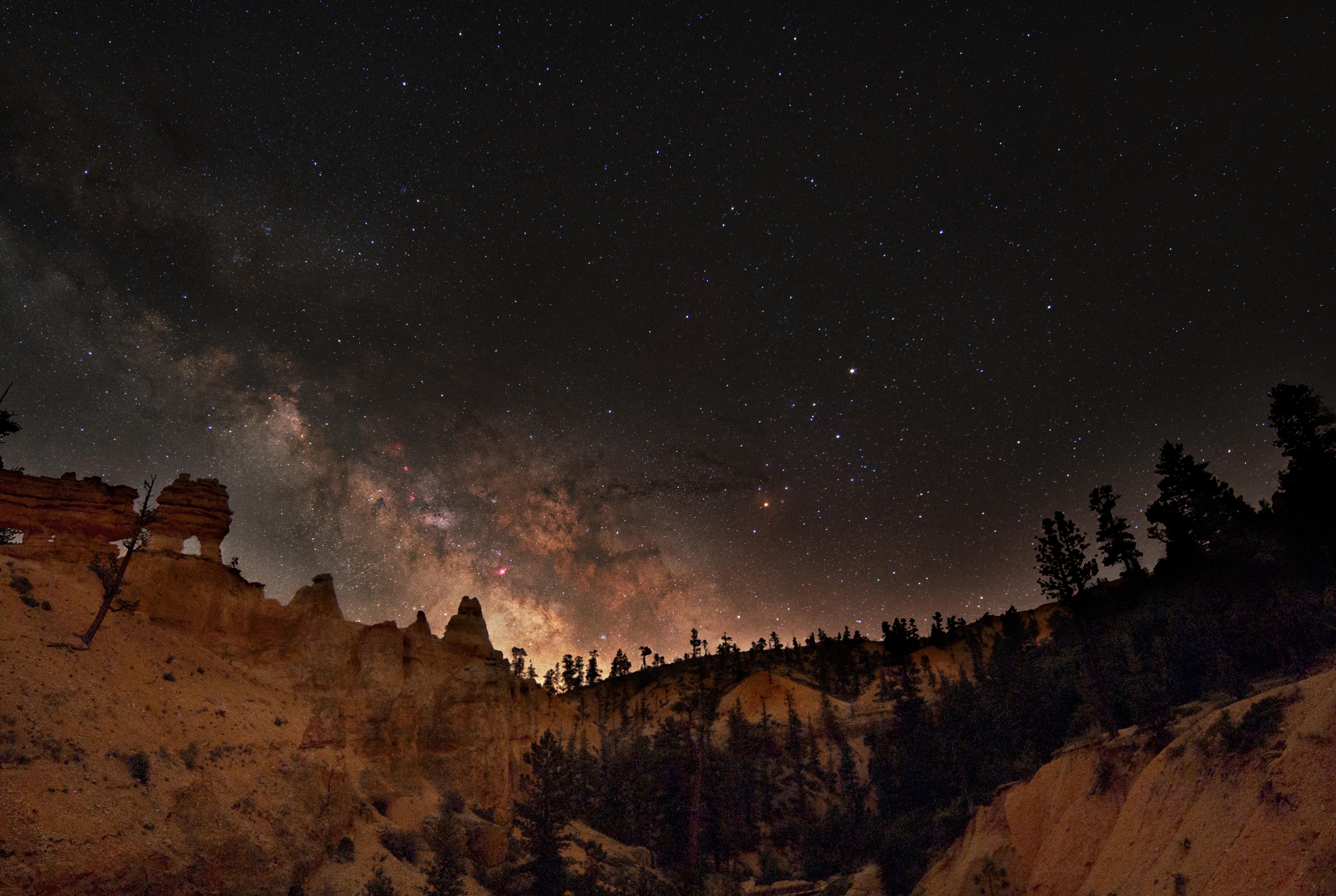
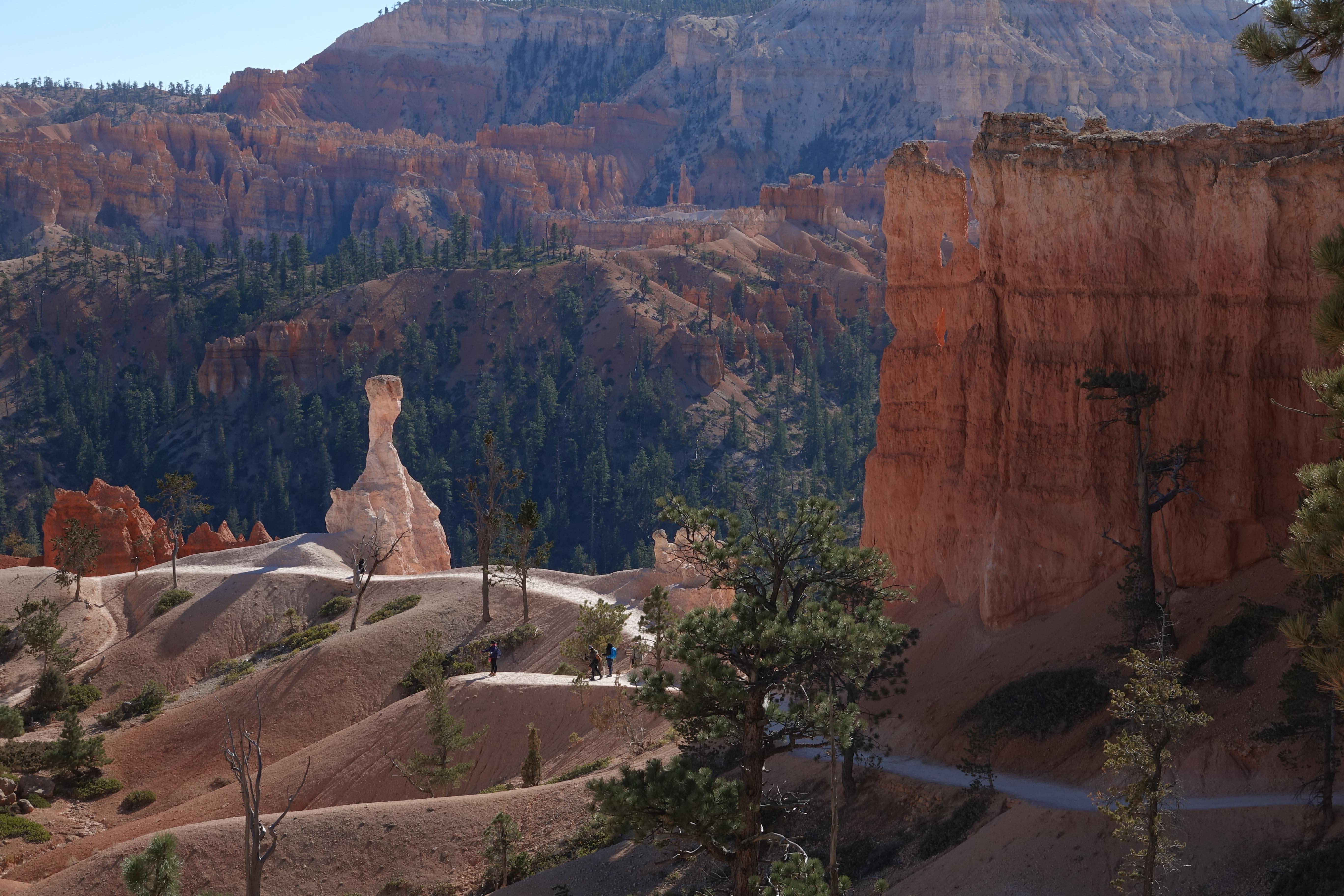
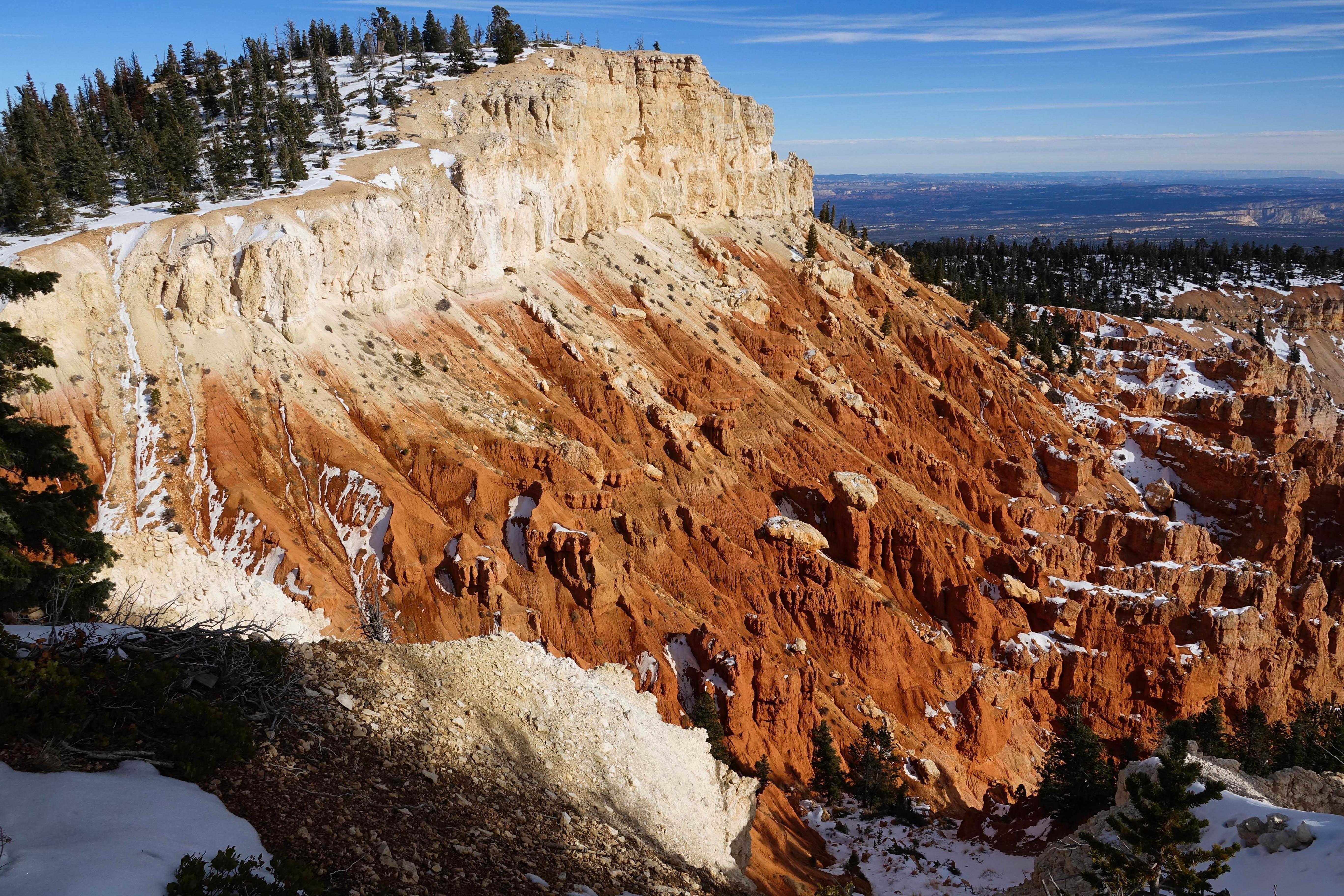
Hoodoos (irregular columns of rock) exist on every continent, but here is the largest concentration found anywhere on Earth. Situated along a high plateau at the top of the Grand Staircase, the park's high elevations include numerous life communities, fantastic dark skies, and geological wonders that defy description.
Park Photos
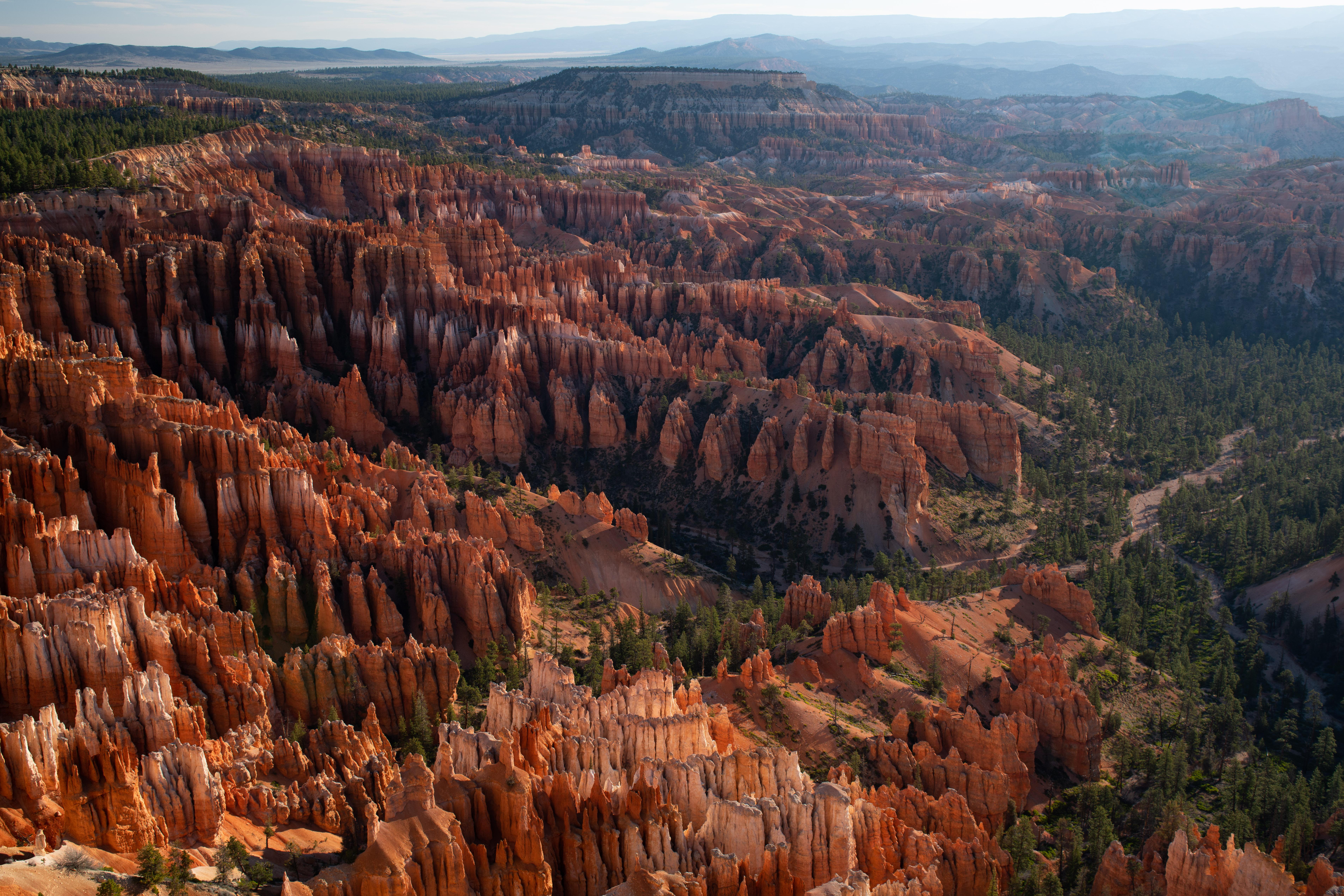
Viewpoints of the iconic Bryce Amphitheater are located along the first 3 miles of the park road and are a popular destination at sunrise.
Credit: NPS Photo / Peter Densmore
Activities
Operating Hours
Bryce Canyon National Park is open 365 days a year, 24 hours a day.
| Day | Hours |
|---|---|
| Friday | All Day |
| Monday | All Day |
| Sunday | All Day |
| Tuesday | All Day |
| Saturday | All Day |
| Thursday | All Day |
| Wednesday | All Day |
Weather info
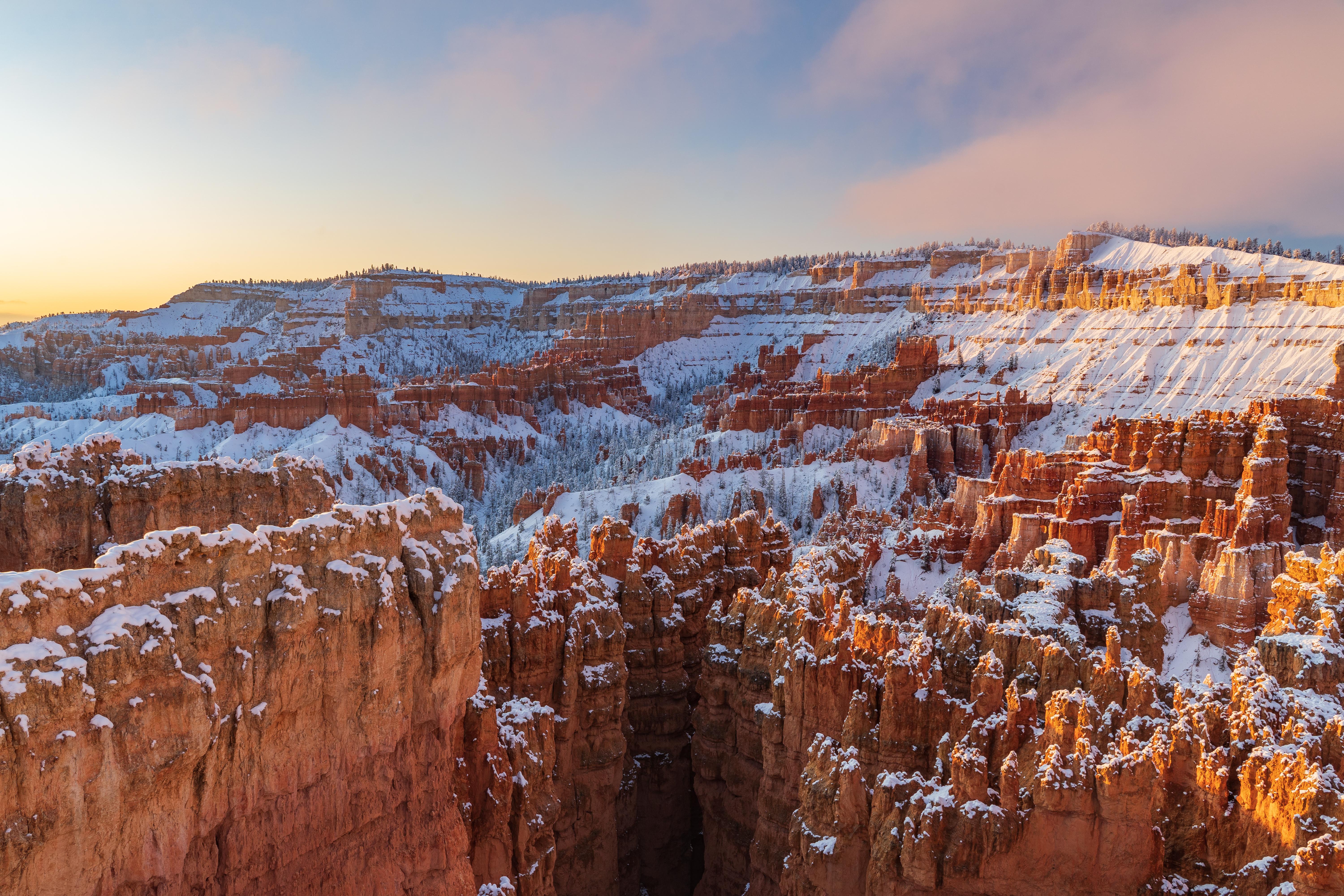
Due of its high elevation climate, weather at Bryce Canyon through autumn, winter, and spring can be highly variable. From October to May temperatures fall below freezing nearly every night. The park typically experiences its coldest and snowiest periods from December through February. Spring storms in March and April can still produce heavy snowfall that may impact travel in the region. Summer highs are typically in the 70s-80s F and afternoon thunderstorms are common in July and August.Events
Regular Event
 Bryce Canyon National Park
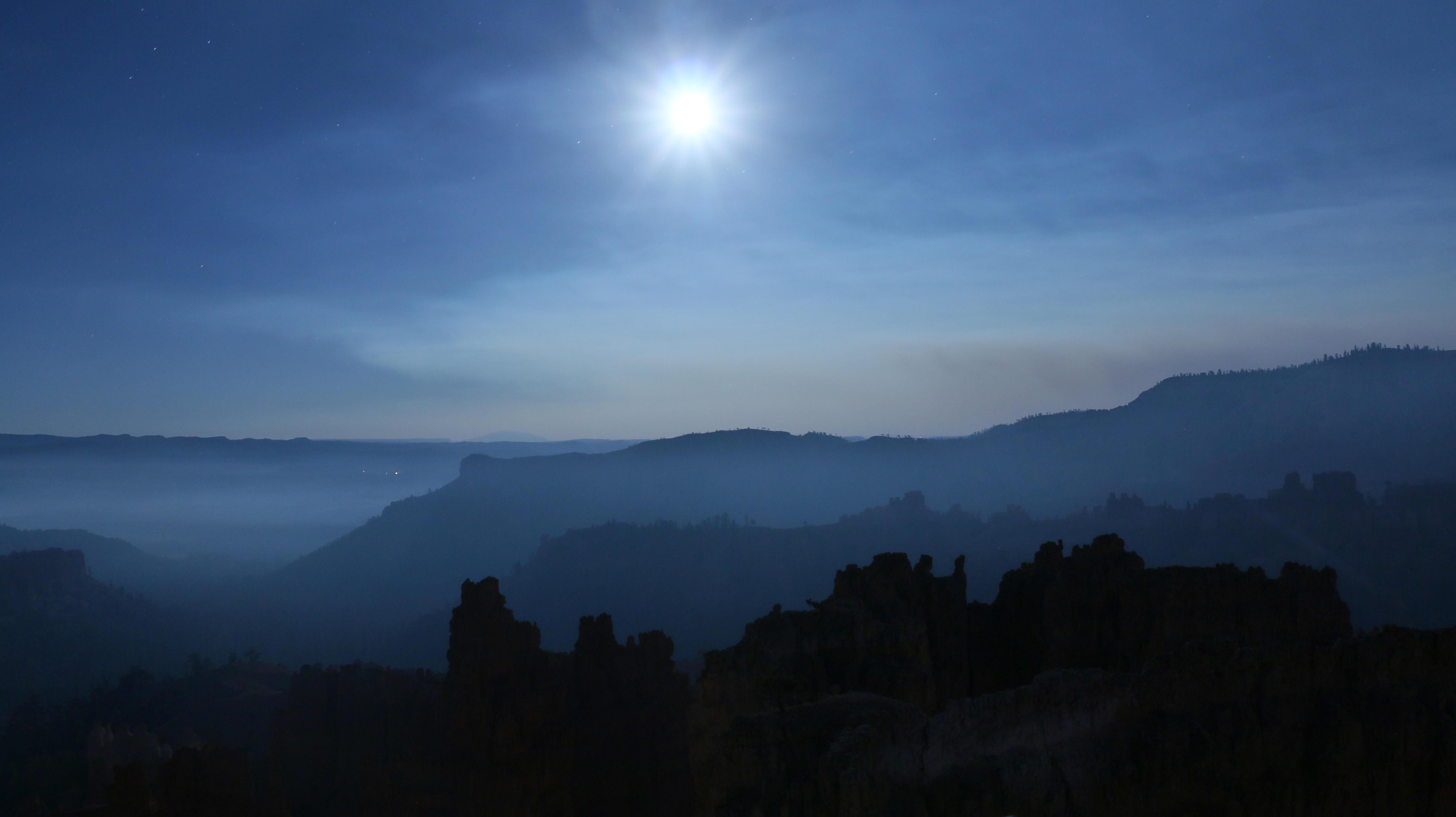
Full Moon Hike
Registration Required
Campfire/Evening Program
Guided Tour
Hike
Talk
Walk
View eventRepeating EventDate(s)
May 1, 2026 - Sep 29, 2023
Regular Event
Bryce Canyon National ParkFull Moon Hike
Registration Required
Campfire/Evening Program
Guided Tour
Hike
Talk
Walk
View eventRepeating EventDate(s)
May 30, 2026 - Sep 29, 2023
Regular Event
Bryce Canyon National ParkFull Moon Hike
Registration Required
Campfire/Evening Program
Guided Tour
Hike
Talk
Walk
View eventRepeating EventDate(s)
Jun 29, 2026 - Sep 29, 2023
Regular Event
Bryce Canyon National ParkFull Moon Hike
Registration Required
Campfire/Evening Program
Guided Tour
Hike
Talk
Walk
View eventRepeating EventDate(s)
Jul 29, 2026 - Sep 29, 2023
Regular Event
Bryce Canyon National ParkFull Moon Hike
Registration Required
Campfire/Evening Program
Guided Tour
Hike
Talk
Walk
View eventRepeating EventDate(s)
Aug 27, 2026 - Sep 29, 2023
Regular Event
Bryce Canyon National ParkFull Moon Hike
Registration Required
Campfire/Evening Program
Guided Tour
Hike
Talk
Walk
View eventRepeating EventDate(s)
Sep 26, 2026 - Sep 29, 2023
Regular Event
Bryce Canyon National ParkFull Moon Hike
Registration Required
Campfire/Evening Program
Guided Tour
Hike
Talk
Walk
View eventRepeating EventDate(s)
Oct 25, 2026 - Sep 29, 2023